
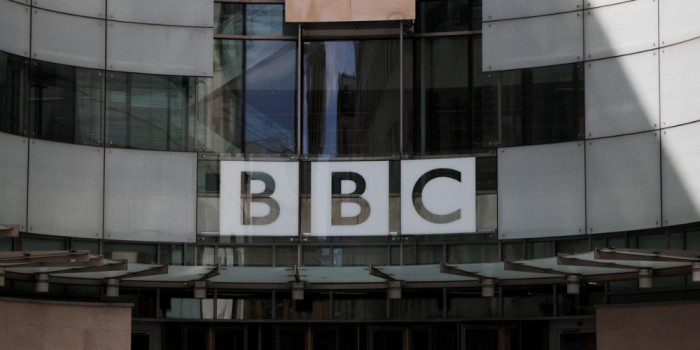
BBC India operations restructuring has emerged as one of the most significant developments in the media landscape of India in recent years. This transformation reflects not only changing regulatory conditions in the Indian digital news sector but also the ongoing evolution of journalism in one of the world’s fastest‑growing markets. As India tightens rules on foreign investment in media and the BBC navigates challenges from government scrutiny and enforcement actions, the way the British Broadcasting Corporation operates in India is being fundamentally reshaped.
This comprehensive article explores the background, causes, structure, implications and future outlook of the BBC India operations restructuring, examining why it matters to Indian audiences, journalists, global media, and regulatory observers alike.
Understanding the BBC’s Legacy in India
The British Broadcasting Corporation, widely known by its acronym BBC, has had a presence in India since the 1940s. It has provided English‑language and regional news services to millions of Indians through television, radio, digital platforms and social media. Over decades, BBC has built a loyal audience by offering global news, explainers, in‑depth features and reporting on topics ranging from Indian politics and society to international affairs.
BBC’s services in Indian languages such as Hindi, Tamil, Telugu, Punjabi, Gujarati, and Marathi have particularly resonated with regional audiences, enabling international news coverage tailored to local linguistic and cultural contexts. This multilingual approach helped BBC become one of the most widely consumed international news brands in India.
However, the regulatory environment for digital news and media companies in India has undergone significant changes in recent years, creating new challenges for international broadcasters and publishers operating within the country.
Why the BBC India Operations Restructuring Was Necessary
Foreign Investment Rules and Regulatory Tightening
India has strict rules governing foreign direct investment (FDI) in digital and news media. To publish news content in India, companies must comply with Indian regulation that requires majority Indian ownership of digital news publishers.
Historically, the BBC operated through its own Indian entity that employed staff and produced news content for Indian audiences. However, evolving regulations made it challenging for international media organizations like the BBC to continue operating news publishing services without restructuring their ownership structures.
Regulators insisted on compliance with the 26% foreign ownership cap for digital news companies, meaning that companies must be majority Indian‑owned to publish news digitally within India.
As a result, in 2023 and 2024, the BBC took steps to reorganize its Indian operations in accordance with these investment rules. This requirement became one of the central drivers of the BBC India operations restructuring.
Tax and Enforcement Directorate Actions
In addition to investment rules, India’s tax authorities conducted enforcement actions against BBC India in 2023, which further pressured the broadcaster to rethink its operational setup. Income tax department raids took place at BBC offices in Delhi and Mumbai, prompting concern within the organization and sparking discussions about compliance, transparency and local regulations.
Following these investigations, the Enforcement Directorate (ED) — India’s financial crime agency — also initiated a probe under the Foreign Exchange Management Act (FEMA). This led to fines being imposed on BBC for alleged violations related to foreign exchange and investment norms.
These enforcement and regulatory concerns catalyzed the BBC’s decision to reorganize its Indian operations to ensure compliance with Indian law and reduce operational risk going forward.
What Is the BBC India Operations Restructuring?
In response to regulatory requirements and enforcement pressures, the BBC implemented a major organizational change: it split its India operations into two separate entities.
The Creation of Collective Newsroom
At the heart of the BBC India operations restructuring is a new independent company called Collective Newsroom, which was established in April 2024.
What is Collective Newsroom?
- It is an Indian‑owned independent media company, founded by four former BBC journalists and executives in India.
- The company produces news content in multiple languages — including Hindi, Tamil, Telugu, Gujarati, Punjabi and Marathi — for audiences across India.
- Collective Newsroom serves as the BBC’s sole provider of content for its regional language news services, digital platforms, and social channels in India.
- While the BBC may hold up to a 26% stake in the company (in line with foreign investment limits), the majority ownership and control rests with Indian owners — fulfilling regulatory requirements.
Collective Newsroom also has the potential to produce content for other news organizations in India, opening up opportunities beyond the BBC contract itself.
According to its mission statement, Collective Newsroom is committed to delivering credible, independent journalism that leads with facts, elevates diverse voices, and meets high standards of editorial integrity.
BBC’s Continuing Presence in India
While Collective Newsroom now handles regional language content, the BBC itself maintains a smaller news gathering and content production team in India that continues to work directly with the UK headquarters.
This team focuses on:
- English‑language content
- Radio and television news services
- Digital reporting for the global BBC website
- Coverage that feeds into the BBC World News and BBC World Service platforms
Unlike Collective Newsroom, this team is directly employed by the BBC and remains subject to the corporation’s global editorial standards.
Thus, the BBC India operations restructuring created a hybrid model — one where regional content production is handled by an independent Indian company, and global news gathering continues under BBC’s direct control.
Regulatory Context: Why India Changed the Rules
To fully understand the rationale behind the BBC India operations restructuring, it’s important to explore the broader regulatory context.
Indian Foreign Direct Investment (FDI) Policy for Digital News
India’s FDI policy for digital news was updated to mandate that news publishers operating in India must be majority owned by Indian citizens or entities. The goal was to increase accountability, transparency and local oversight of news organizations operating within the country.
This policy change was aimed at limiting foreign influence over the news media, ensuring that editorial decision‑making and ownership remained predominantly within Indian control. Many global media companies had to reassess their ownership structures in response to these changes.
For the BBC, which had operated its Indian services directly, this meant that continuing to offer news to Indian audiences without altering its structure would violate the FDI cap.
Impact on Journalism and Media in India
The BBC India operations restructuring has several important implications for journalism, media independence, and the broader news ecosystem in India.
Local Empowerment of Journalists
The creation of Collective Newsroom has empowered local journalists and media professionals by giving them ownership and control over a major news production entity.
With over 250 journalists employed across India’s major cities, the new company amplifies regional voices and expands opportunities for reporting in local languages.
This move strengthens India’s journalistic infrastructure by allowing professionals to lead an organization that serves one of the largest audiences for international news globally.
Editorial Independence and Compliance
Collective Newsroom is structured to produce content that remains aligned with BBC editorial standards, including impartiality and journalistic integrity.
Yet its Indian ownership also means the company operates under Indian law and editorial norms, creating a dual framework for maintaining both local compliance and global credibility.
Journalists now enjoy a degree of editorial flexibility while being governed by local leadership, which could lead to richer, more diverse storytelling for Indian audiences.
Regulatory Precedent for Other Media Companies
The BBC India operations restructuring sets a precedent for other foreign news companies operating in India. It highlights how media organizations must adapt to changing rules if they wish to continue serving Indian audiences from within the country.
Other international outlets, including digital news publishers and broadcasters, are likely to reassess their strategies in light of this transformation.
Public Reaction and Controversy
The restructuring has prompted varied reactions:
Support for Regulatory Compliance
Many observers see the BBC’s restructuring as a pragmatic step that ensures compliance with Indian law while retaining high‑quality journalism for Indian audiences.
Proponents argue that the change reflects respect for India’s sovereignty and regulatory frameworks, helping global media entities operate responsibly within the country’s legal systems.
Concerns About Press Freedom
Some critics suggest that regulatory pressure — including tax raids and enforcement actions — may have influenced the BBC’s decision to restructure. They argue that such government interventions could have chilling effects on press freedom and editorial independence, particularly when controversial content is involved.
For instance, a BBC documentary about Prime Minister Narendra Modi and the 2002 Gujarat riots was criticized by Indian authorities and blocked from distribution in India, intensifying the broader discussion about media independence.
These tensions underscore the complex balance between regulatory compliance and journalistic autonomy.
Economic and Strategic Considerations
The BBC India operations restructuring also has economic and strategic implications:
Market Size and Growth
India is one of the largest markets for BBC content in the world, with millions of weekly users across languages and platforms.
Ensuring continued access to this audience — in a way that complies with Indian regulations — is crucial for the BBC’s global growth strategy.
Monetization and Partnership Opportunities
As an independent media company, Collective Newsroom may pursue partnerships and content production agreements beyond the BBC, opening new revenue streams and collaborations within India’s burgeoning media industry.
This diversification of content services could strengthen the economics of news production and distribution for both Collective Newsroom and its partners.
Looking Ahead: What’s Next for BBC and Indian Media?
The BBC India operations restructuring represents a pivotal shift in how foreign news organizations can operate within India. Going forward:
- Collective Newsroom is likely to expand its presence and influence, producing journalism that reflects both global standards and Indian perspectives.
- BBC’s direct team in India will continue to contribute English‑language news and global reporting, maintaining its role in informing international audiences.
- Other international media companies will closely watch this model to assess how best to balance regulatory compliance with editorial integrity.
Conclusion: The Significance of BBC India Operations Restructuring
The BBC India operations restructuring marks a historic moment in the evolution of media in India. It signals a shift toward localized ownership while preserving global news standards. Through the establishment of Collective Newsroom, journalists in India now have greater control over news production for one of the world’s most influential news brands. At the same time, this arrangement ensures compliance with Indian foreign direct investment and media laws, allowing the BBC to sustain its footprint in a dynamic and diverse market.
As regulation, media ownership and journalistic practices continue to evolve, the story of the BBC’s transformation in India will remain a benchmark case for global media operating in complex regulatory environments.
Visit Eversoft Creations for more tech related updates.